What an Oversized-Load Permit Actually Involves in the UAE
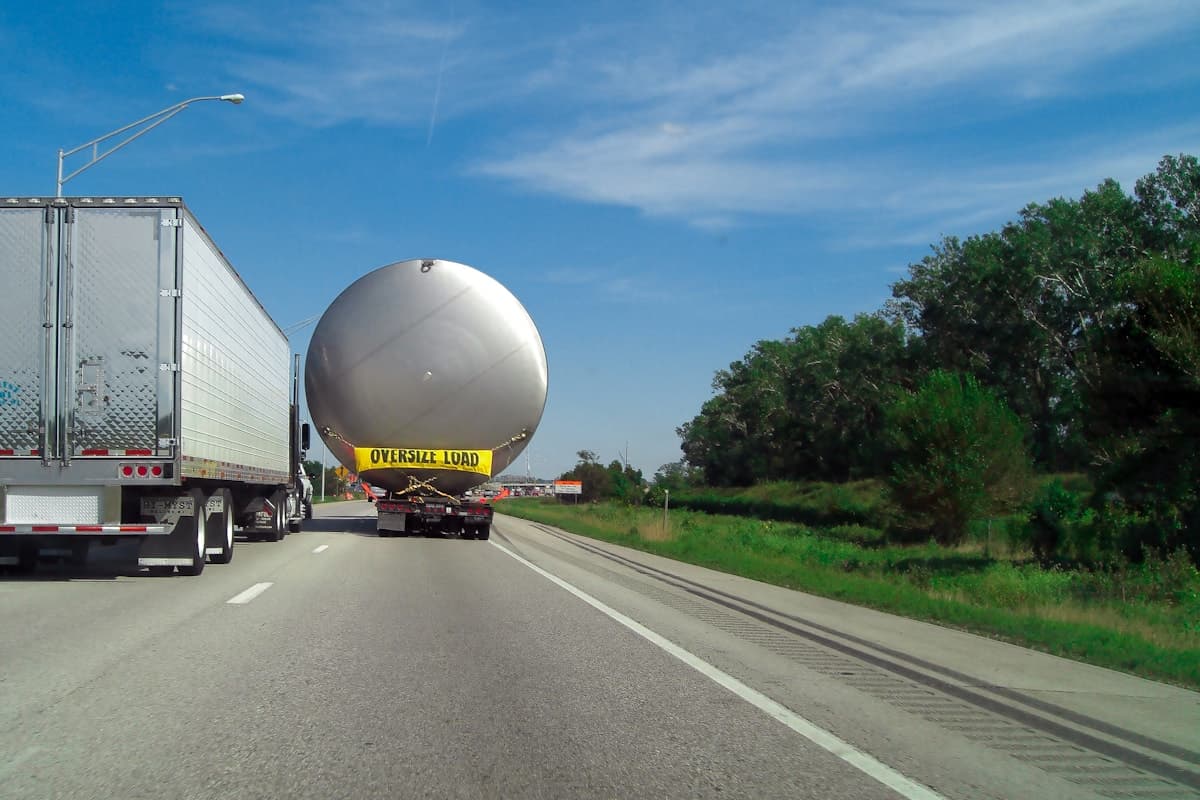
Moving a piece of equipment that exceeds standard road limits is rarely just a matter of booking a trailer and setting off. In the UAE, abnormal and oversized loads are subject to permits, route approvals, and in many cases escort arrangements, precisely because a single miscalculated bridge clearance or axle load can shut down a road or damage infrastructure. For contractors and project managers scheduling a heavy move, understanding what actually goes into a permit, rather than treating it as paperwork to sort out later, is what keeps a project on programme.
Why Permits Exist in the First Place
Public roads, bridges, and interchanges are engineered around defined weight and dimension assumptions. A load that falls outside those assumptions can place stress on a structure it was never designed to carry, or simply fail to physically pass beneath a bridge, through a roundabout, or under overhead utilities. Permitting exists to give the relevant road authority visibility of the move before it happens, so they can assess the route, set conditions, and, where necessary, require an escort or a specific travel window.
It also protects the mover. A permit issued against a surveyed route gives written confirmation that the road authority has reviewed the load and its path, which matters if a dispute arises over damage, delay, or right of way during the journey.
It Is Also About Other Road Users
Beyond structural concerns, an oversized load moving at reduced speed, occupying more than one lane, or requiring a rolling closure affects everyone else on the road. Permitting conditions (travel hours, escort positioning, temporary signage) exist as much to manage that shared-road risk as to protect the asset being moved.
What Typically Triggers the Need for a Permit
There is no single figure that applies uniformly everywhere, and the exact thresholds differ by emirate and change over time, so this should always be confirmed with your logistics partner rather than assumed from a previous job. Broadly, though, a load is flagged as abnormal or oversized when it exceeds standard limits in one or more of these areas:
- Overall length or width beyond what a standard trailer configuration is permitted to carry unescorted.
- Height, particularly where the load plus trailer deck approaches or exceeds typical bridge and gantry clearances.
- Gross weight and axle loading, since two loads of similar total weight can place very different stress on a road depending on how that weight is distributed across axles.
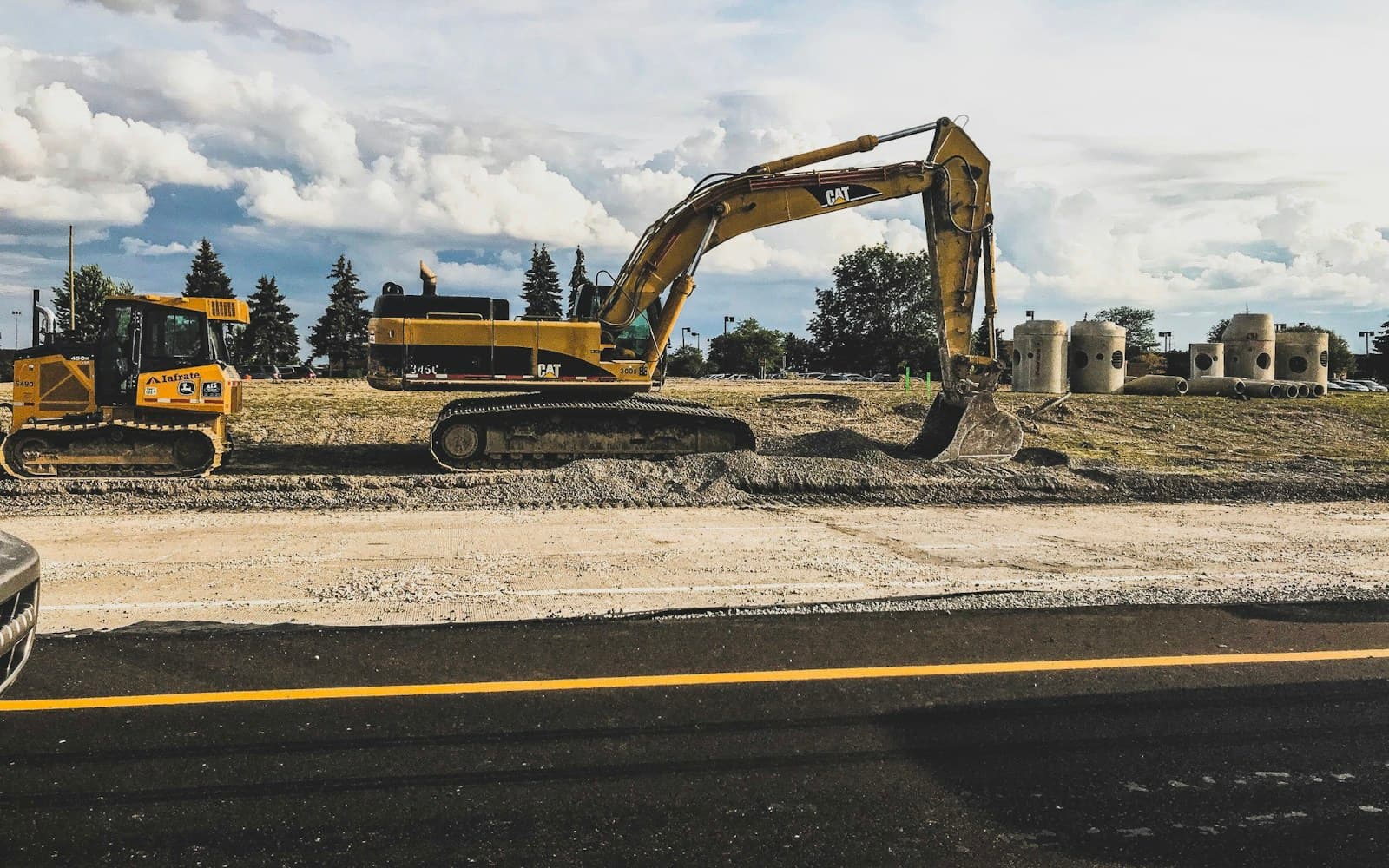
- Indivisible cargo: equipment that cannot reasonably be broken down into smaller units for transport, such as a crane superstructure or a large excavator boom assembly.
Combinations matter as much as individual figures. A load that is only moderately overweight but also unusually tall, or unusually wide but travelling through a route with several tight roundabouts, can require more planning than a load that is simply heavy on a straight, wide highway.
Route Survey and Clearance Considerations
Before a permit is finalised, the intended route is typically surveyed against the load's actual dimensions. This is not a formality: it is the stage where a move either gets confirmed as workable or gets redirected. Key checks generally include:
Bridge and Overhead Clearance
Every bridge, pedestrian crossing, signal gantry, and set of overhead cables along the route needs to be checked against the load's travelling height, including the trailer bed itself. A load that clears a bridge with a metre to spare can still be stopped by a low-hanging cable further along the same road.
Turning Geometry and Road Surface
Long or wide loads need adequate swept-path clearance at roundabouts, junctions, and tight bends. Road surface condition and gradient also factor in, particularly for very heavy loads where axle loading and braking distance become relevant on inclines.
Weight-Restricted Structures
Bridges and culverts along the route may carry posted weight restrictions that are separate from height clearance. A heavy but low-profile load can still be turned away from a bridge that a lighter, taller load would pass easily.
This is exactly the kind of groundwork that experienced operators build into their planning for heavy transport moves: surveying the route before committing to it, rather than discovering a problem with a loaded trailer already on the road.
Timing, Lead Time, and Scheduling Realities
Permit processing is rarely instant, and the time required scales with the complexity of the load and the route. A modestly oversized load on a well-travelled industrial corridor may be quicker to approve than a very large, indivisible load crossing multiple road authorities or passing through urban areas. Projects around Abu Dhabi's government and infrastructure sites, for instance, often involve additional coordination given the concentration of critical infrastructure and traffic in the capital, something to factor in early when planning heavy equipment rental in Abu Dhabi for a project with an oversized-load component.
Permits are also frequently tied to specific travel windows (certain hours of the day, or outside of peak traffic periods) rather than being valid for unrestricted movement at any time. Missing an approved window can mean waiting for the next available slot rather than simply proceeding.
Building Buffer Into the Programme
The practical implication for a project schedule is straightforward: treat permit lead time as a fixed input, not something to be compressed once other trades are ready. Confirming load dimensions, rigging configuration, and the exact route as early as possible gives the permit process the best chance of running in parallel with other project preparation, rather than sitting on the critical path at the last minute.
Escort Vehicles for Larger Moves
For loads above certain size or weight thresholds, road authorities may require escort vehicles: typically positioned ahead of and behind the load to manage traffic, flag hazards, and, for the largest moves, coordinate temporary lane or road closures. The number and type of escorts required is assessed against the specific load and route, and can change if the route itself changes.
Escort coordination adds another layer to scheduling, since escort vehicles and their drivers need to be booked, briefed on the route, and available for the same approved travel window as the load itself. This is particularly relevant for long-distance moves, such as heavy lift and haulage in Ruwais, where routes often run through industrial zones and open highway over considerable distance. See our page on heavy lift and haulage in Ruwais for more on how that kind of long-haul move is typically planned.
Cross-Emirate Moves Add Complexity
A load travelling entirely within one emirate deals with a single set of road authority requirements. A load moving between emirates (say, from a project site in Abu Dhabi to a facility involving equipment rental in Dubai) may need approvals from more than one authority, each with its own process and timing. This does not necessarily make the move harder, but it does mean the permit and route planning needs to account for each jurisdiction the load will pass through, not just the origin or destination.
How Good Planning Avoids Delays
The moves that run smoothly are almost always the ones where dimensions, weight, and route were confirmed before a permit application went in, rather than adjusted afterwards. Once a permit is issued against a specific configuration, changes to that configuration can mean starting the approval process again. Locking down rigging and packing dimensions early, confirming the route with a survey rather than an assumption, and applying with realistic lead time are the three things that consistently keep oversized moves on schedule.
Working with a transport partner who handles permits, route planning, and escort coordination in-house also removes a significant amount of back-and-forth, since the same team assessing the load's dimensions is the one submitting the application and briefing the escort.
If you have a piece of equipment or a project delivery that looks like it will fall outside standard road limits, it is worth involving a transport team before the move date is fixed rather than after. Maxtgc's team can review your load, survey the route, and manage the permit and escort process from one point of contact. Call or WhatsApp +971 56 901 0656, or get a quote to start planning the move.
Get a Free Quote
Your details open in WhatsApp, ready to send.