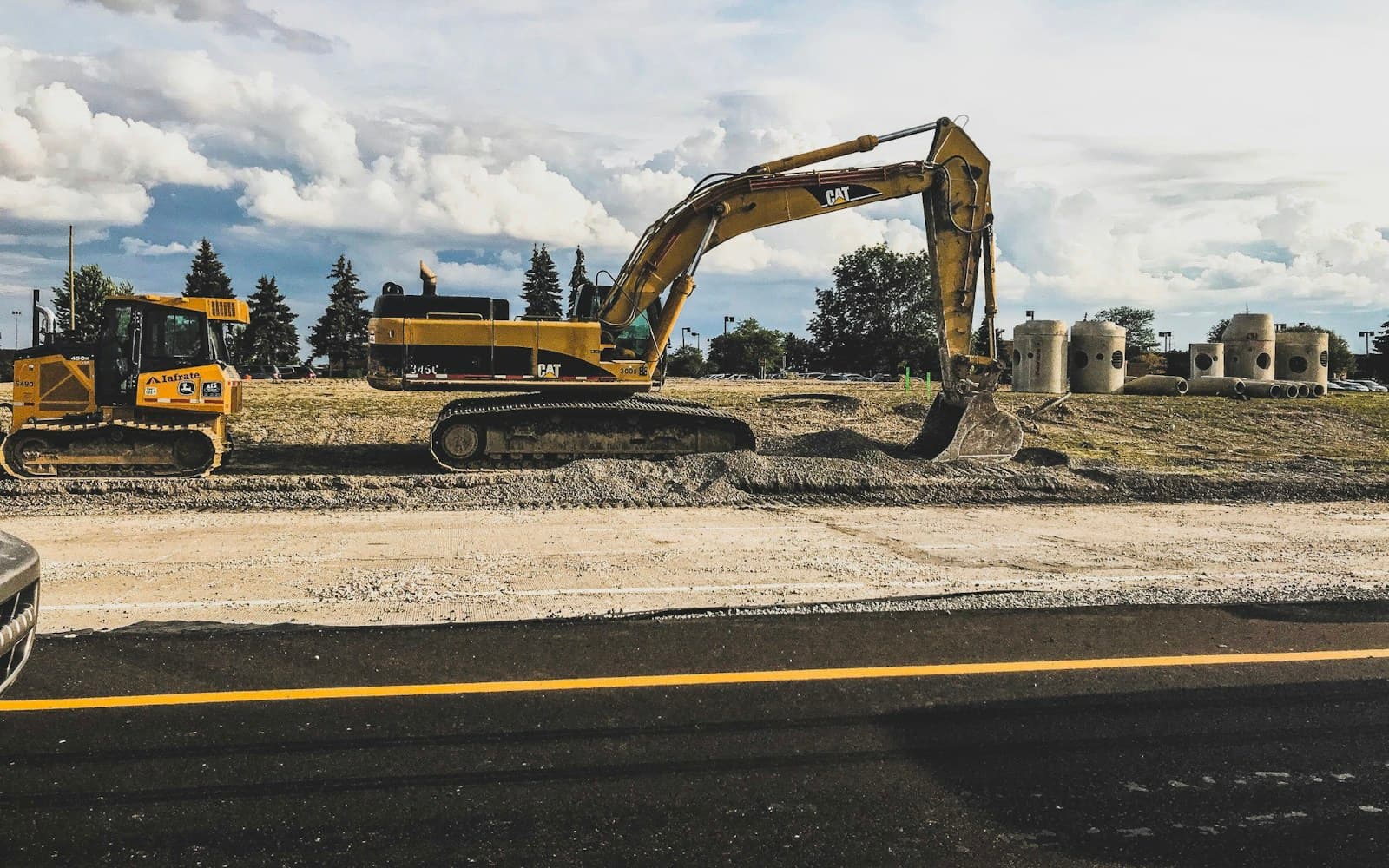
Third-Party Inspection Certificates for Cranes in the UAE
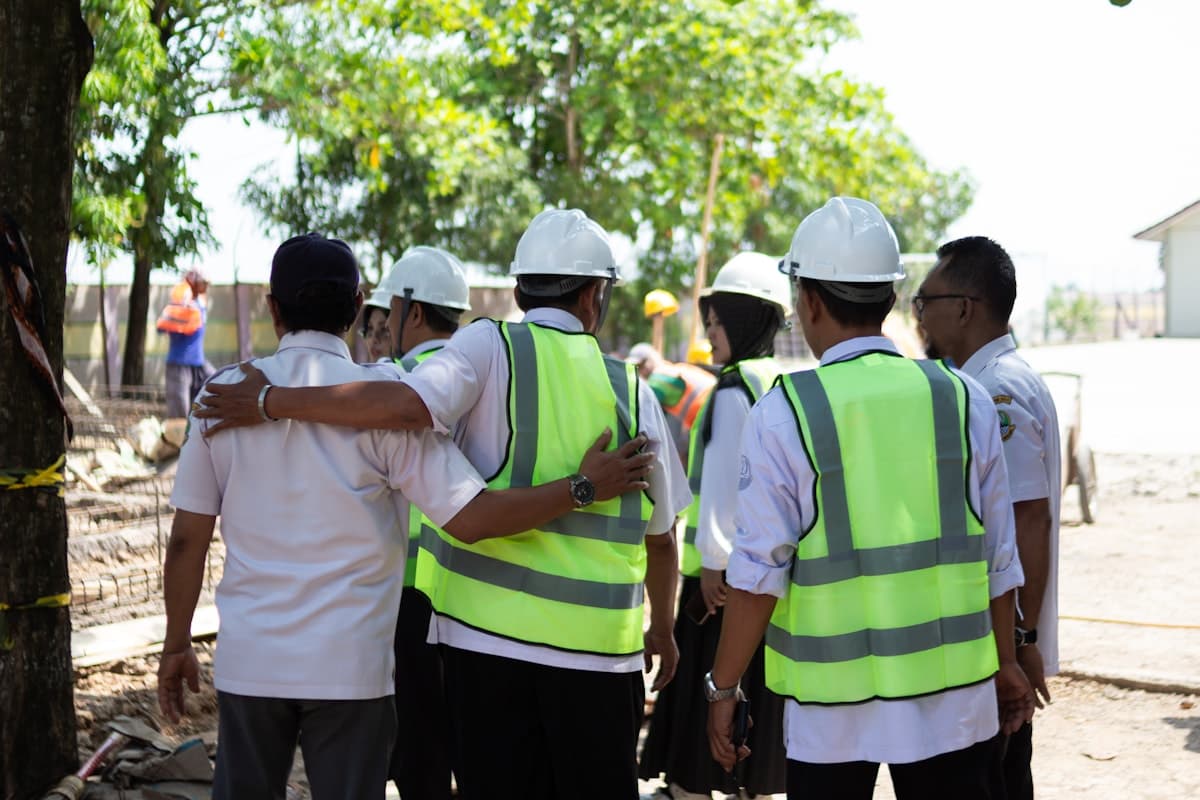
On government, infrastructure and large commercial sites in Abu Dhabi, a crane usually does not lift anything until someone at the gate or in the HSE office has checked its paperwork. The document they look for first is the third-party inspection certificate, usually just called the TPI. A crane with an expired or mismatched certificate is turned away, and the lift slips a day.
This guide explains what a TPI certificate is, the other documents sites usually check, and how to check them yourself before the crane arrives. It is a practical guide, not legal advice: requirements vary by emirate, authority and client, and your project's HSE plan is the final word.
What a TPI Certificate Is
A third-party inspection certificate records that a crane or other piece of lifting equipment has been thoroughly examined by an independent inspection company, not by its owner or operator. Depending on the equipment and the standard, the examination can include a visual and functional inspection, checks of safety devices such as the load moment indicator and limit switches, non-destructive testing of critical parts, and a load test.
A typical certificate shows:
- The equipment type, make, model and serial number
- The safe working load or rated capacity, and the configuration it applies to
- The date of examination and the next-due date
- The standard or procedure the inspection followed
- The inspection company and the name of the inspector
Why Abu Dhabi Sites Ask for It
Third-party inspection of cranes and lifting equipment has been enforced on Abu Dhabi construction sites for more than a decade. Abu Dhabi Municipality began a programme of inspections in October 2011, and by 2018 nearly 14,000 cranes and lifting devices had been inspected, with the Municipality instructing consultants and contractors to deal only with companies approved to inspect and certify mechanical lifting equipment. Several inspection firms have had their licences revoked for falling short of the required standards.
On top of the authority's rules, main contractors, consultants and clients set their own. Oil and gas and other industrial clients in particular have detailed requirements for lifting equipment documents, inspection intervals and operator certification, and they check them at the gate.
The Documents a Crane Usually Needs
The list varies by site and client. For a mobile crane, a typical list is:
- The crane's TPI certificate, current and matching the crane on site
- The load chart for the crane's configuration
- TPI certificates for lifting accessories: slings, shackles, hooks, spreader beams and any other gear used in the lift
- The operator's certificate for that type and size of crane
- The rigger's or banksman's certificate
- A lift plan, for anything beyond a routine lift, and often for every lift on larger sites
- Vehicle documents for a crane that travels on the road, such as registration and insurance
Some sites also ask for the crane's maintenance records or a site-specific induction. Ask the site for its list before the booking is confirmed.
How to Check a Certificate in Two Minutes
A certificate is only useful if it belongs to the machine in front of you and is in date. Before a crane starts work:
- Match the serial number on the certificate to the plate on the crane. A valid certificate for a different crane is worth nothing.
- Check the next-due date. If the certificate expires during your hire, plan for re-inspection or a replacement crane.
- Compare the rated capacity and configuration with what your lift needs. A certificate for a reduced configuration may not cover your lift.
- Check the issuer. It should be an inspection company approved for lifting equipment, and the certificate should be signed and stamped.
- Do the same for the lifting accessories. Many incidents involve the slings and shackles, not the crane. Accessories should carry identification that matches their certificates.
If anything does not match, raise it before the lift, not during it.
How Often Inspection Is Due
The certificate's own next-due date is what applies to that machine. The interval behind it depends on the type of equipment, the standard it is inspected to, and what the authority and client require.
For reference, the UK's lifting regulations (LOLER) require a thorough examination at least every 12 months for lifting equipment, and at least every 6 months for lifting accessories and equipment used to lift people, plus examination after anything that could affect safety, such as major repairs. That is a UK rule, not a UAE one. The interval that applies on your site is set by the authority and your client, and your project HSE plan or the client's lifting procedure states it.
Forklifts, Telehandlers and Access Platforms Too
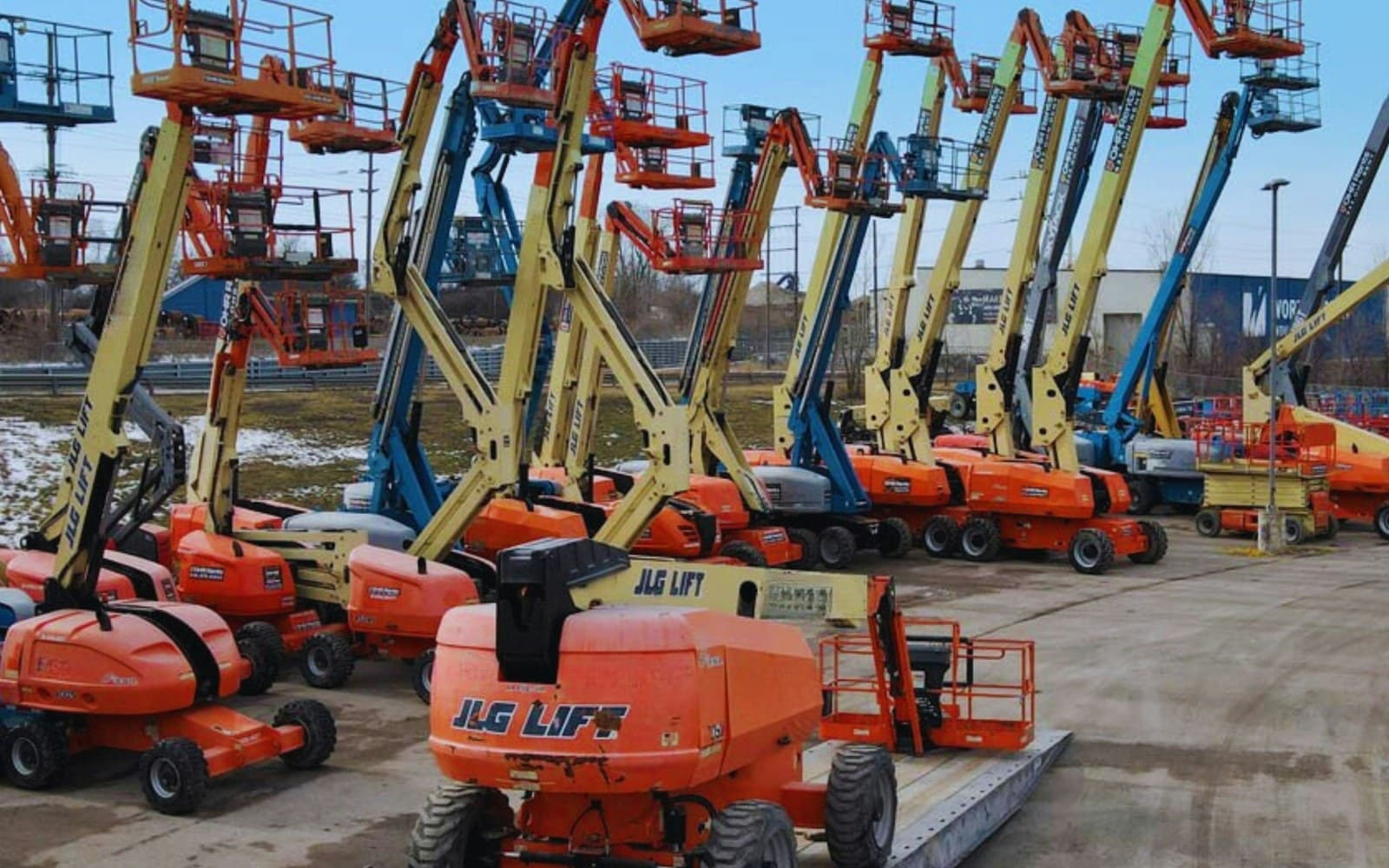
It is not only cranes. Forklifts, telehandlers, scissor lifts, boom lifts and spider lifts are all lifting equipment, and many sites ask for a current inspection certificate for each machine. For access platform operators, IPAF certification is the widely used qualification; forklift and telehandler operators need a certificate for that machine category. Our guide to equipment rental with operator vs self-drive covers operator certificates in more detail.
Avoiding Delays on the Day
Most document problems at the gate come from two things: the site's list arriving too late, and documents being sent for a different machine than the one that turns up. To avoid both:
- Ask the site for its document list when you book, not the evening before
- Send the list to your supplier and ask for the documents for the exact crane allocated
- Check serial numbers and dates as soon as the documents arrive
- Keep copies at the gate and in the site office
Our site safety checklist before a heavy lift covers the checks that follow once the crane is through the gate, and how to read a load chart explains the chart you will be handed.
Maxtgc sends the crane's inspection certificate, load chart and operator credentials ahead of arrival, so the crane is cleared to work when it reaches the gate. Every mobile crane comes with a certified operator and banksman. See our mobile crane rental service, or request a quote and include your site's document list.
Get a Free Quote
Your details open in WhatsApp, ready to send.