Choosing the Right Crane Capacity for Your Lift
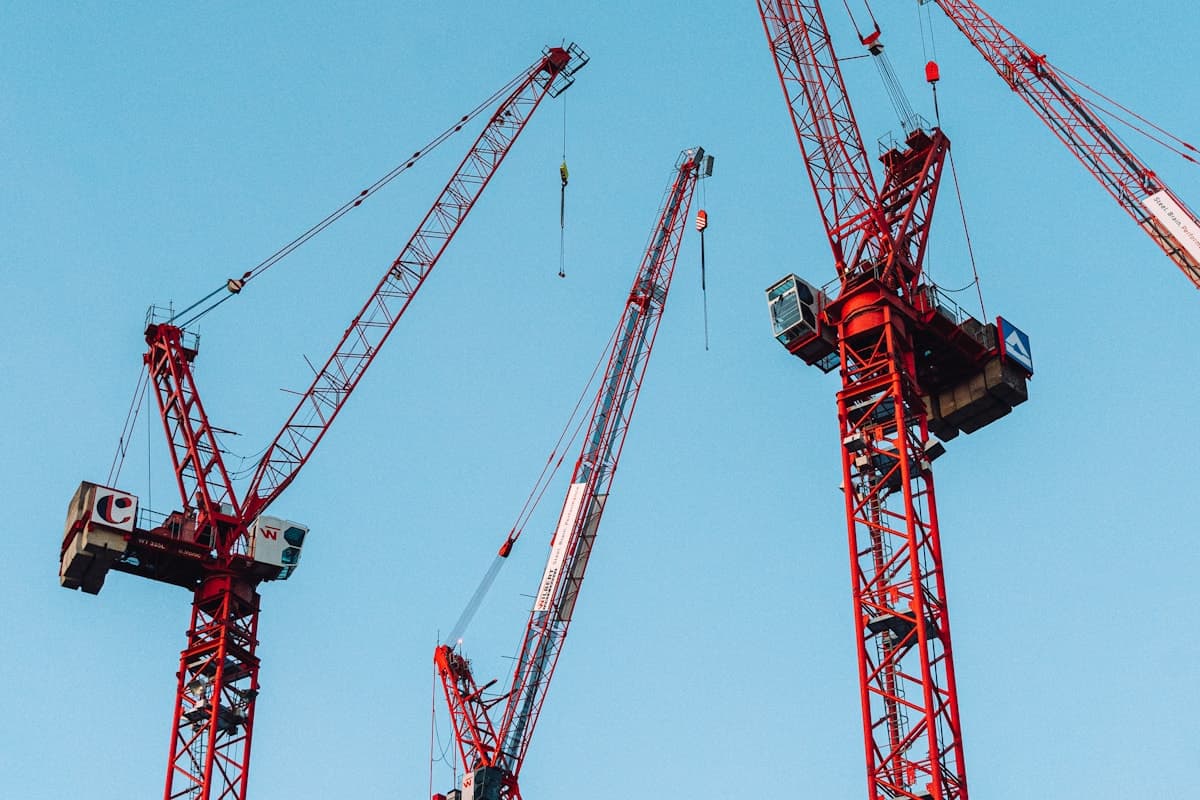
Getting the crane's capacity wrong is one of the most common, and most expensive, mistakes on a UAE construction or industrial site. Order a crane too small and the lift simply cannot proceed once you check the chart on site; order one too large and you pay for tonnage, transport and standing time you never needed. Sizing a mobile crane correctly comes down to understanding how load weight, radius, height and ground conditions interact, not just picking a number off a spec sheet.
Start With the Load, Not the Crane
Before you think about crane models, nail down the exact weight of what you're lifting, including rigging. Contractors frequently quote the weight of the item itself and forget the shackles, spreader beams, slings and lifting lugs, which on a heavy pick can add several hundred kilograms. If the load weight is an estimate rather than a certified figure (common with fabricated steel, tanks or plant equipment), build in a margin rather than working to the exact number.
You also need to know the load's centre of gravity. An off-centre load changes the effective radius and can cause the crane to work harder on one side than the numbers suggest, which is a frequent cause of near-miss incidents during commissioning lifts.
Why Radius Matters More Than Tonnage
The single biggest misunderstanding in crane sizing is treating the crane's rated tonnage as a fixed lifting capacity. It isn't. A crane's maximum capacity is only achievable at its shortest radius and lowest boom angle: as the load moves further from the crane's centre of rotation, or as the boom extends and the angle drops, the safe working load falls away sharply, sometimes to a fraction of the nameplate figure.
This is why two lifts of the same weight can require very different cranes. A 20-tonne load picked at a 5-metre radius might suit a 40-tonne crane comfortably, while the same load at a 15-metre radius could demand a 100-tonne or larger machine. Always work out the radius from where the crane can realistically be positioned to where the load needs to land, not an idealised straight-line distance, since site access, excavations, existing structures and overhead services usually force the crane further back than planners first assume.
Lift Height and Boom Configuration
Height interacts with radius in the same way. A longer boom is needed to reach both the required height and the required radius simultaneously, and longer booms reduce capacity even before you account for distance from the crane. For high-rise and façade work (a common scenario across Dubai's tower developments), this combination of height and radius is often the deciding factor in crane selection, more so than the raw weight of the load itself. Jobs involving façade panels, glazing units or plant replacement at height are a good example of where equipment rental in Dubai needs to account for boom reach as much as tonnage.
Reading the Load Chart Correctly
Every mobile crane ships with a load chart specific to its configuration: boom length, counterweight fitted, outrigger spread and whether it's on outriggers or rubber tyres. To size a lift correctly:
- Confirm the actual radius the crane will operate at, measured to the load's final position, not just the pick point.
- Confirm the boom length and angle needed to reach the required height at that radius.
- Cross-reference the chart for that exact configuration: capacities differ significantly between full outrigger spread and reduced spread, and between different counterweight packages.
- Apply a working margin below the chart's maximum, typically so the lift sits comfortably under 85% of rated capacity, to allow for load estimation error, wind and dynamic effects during picking and slewing.
Charts are configuration-specific for good reason: the same crane rigged with reduced outrigger spread because of a tight site can lose a substantial share of its capacity compared with full spread, even though nothing about the load has changed. Our step-by-step guide on how to read a mobile crane load chart works through a full example.
Ground-Bearing Pressure: The Overlooked Variable
A correctly sized crane can still fail a lift, or worse, if it's standing on ground that cannot take the load. Outriggers concentrate the crane's full working weight (machine, counterweight and load) onto four relatively small contact points, and UAE sites frequently present exactly the conditions that cause outrigger settlement: reclaimed land, recently backfilled trenches, sabkha or loosely compacted fill near coastal developments.
Before mobilising, confirm the site's allowable ground-bearing pressure and compare it against the outrigger loads shown in the crane's data sheet. Where the ground is questionable, outrigger mats, timber spreader pads or engineered hardstanding are not optional extras: they are what stands between a controlled lift and an outrigger sinking mid-pick. On larger projects in Abu Dhabi's industrial and coastal zones, this is frequently the deciding factor in whether a lift can proceed on the planned date, which is why ground surveys should happen alongside crane selection rather than as an afterthought when arranging heavy equipment rental in Abu Dhabi.
Common Sizing Mistakes Worth Avoiding
A few errors show up repeatedly across UAE lifting jobs:
- Sizing to tonnage alone, ignoring radius and boom configuration entirely.
- Underestimating rigging weight, especially spreader beams and multi-leg chain sets.
- Assuming flat, compacted ground without checking bearing capacity, particularly on backfilled or reclaimed sites.
- Ignoring wind limits, which reduce safe capacity for cranes handling large surface-area loads such as cladding panels or ductwork, a real consideration during the UAE's stronger shamal wind periods.
- Booking the crane too late, leaving no time to swap for a larger machine if a site survey reveals access or ground constraints after the fact.
Any one of these can turn a straightforward lift into a delayed one, and delays on a hired crane are rarely cheap.
When to Bring In a Certified Lift Planner
Routine single-crane picks with generous radius and clear access rarely need more than a competent operator working from the load chart. But once a lift involves near-capacity picks, tandem or multi-crane operations, work near live structures, overhead lines or occupied areas, or restricted, congested sites, a written lift plan reviewed by a certified planner or rigging engineer becomes essential. A proper lift plan documents the crane configuration, ground conditions, rigging arrangement and exclusion zones, and it gives everyone on site, from the operator to the client's safety officer, a single reference for how the lift will actually happen.
For contractors weighing up crane classes, radius requirements or ground conditions on a specific project, our mobile crane rental team can talk through the sizing before you commit to a booking, drawing on a fleet spanning 25 to 500 tonne mobile cranes alongside man, scissor and spider lifts for supporting access work.
Getting crane capacity right protects your programme as much as it protects your crew: the wrong machine on site costs far more in delay and re-mobilisation than the difference in day rate ever would. If you'd like a second opinion on radius, ground-bearing or chart selection before you book, get a quote with your load and site details, or call our team on +971 56 901 0656 for a straight answer on what crane your lift actually needs.
Get a Free Quote
Your details open in WhatsApp, ready to send.