Excavator Sizes Explained: Which Size for Your UAE Job?
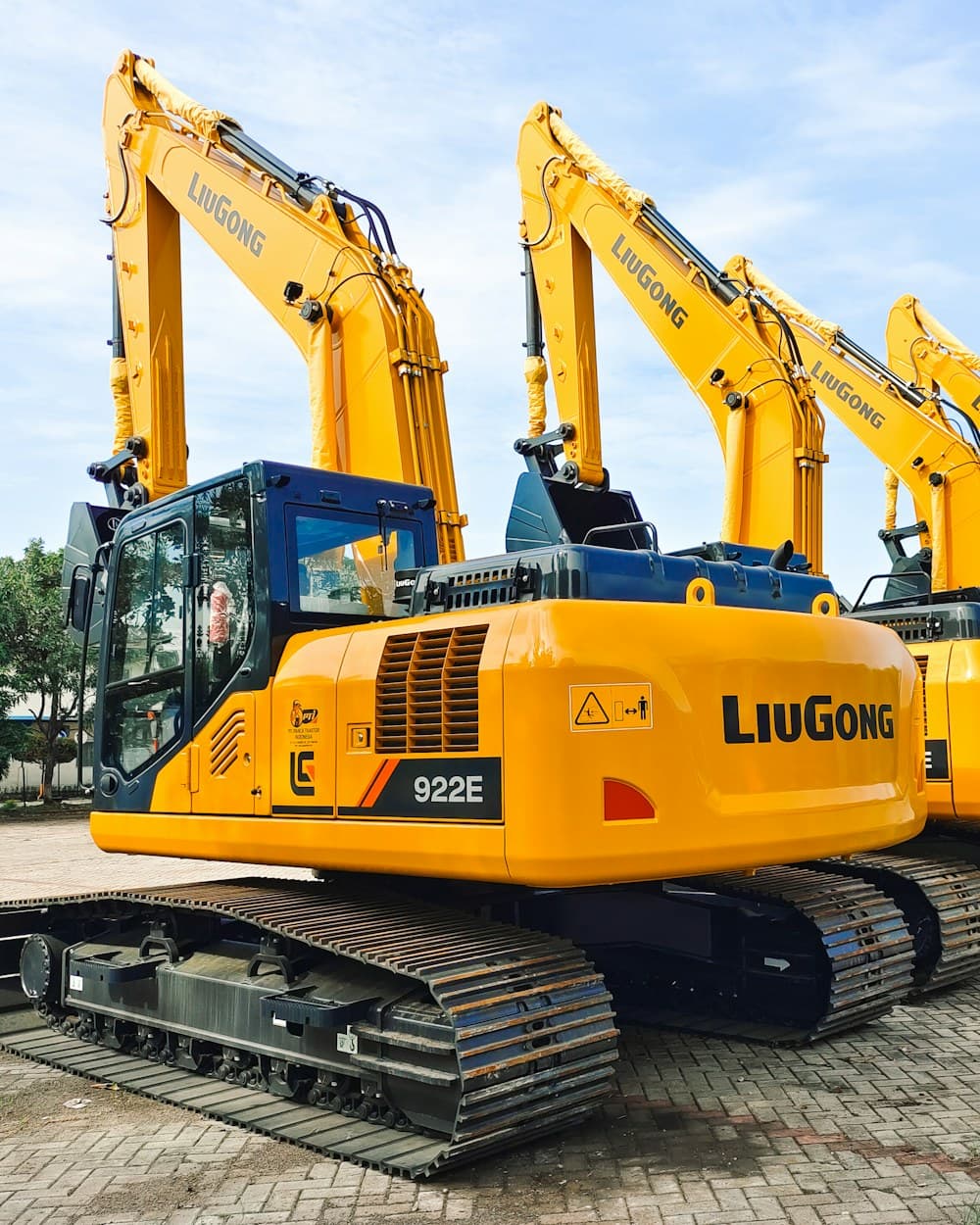
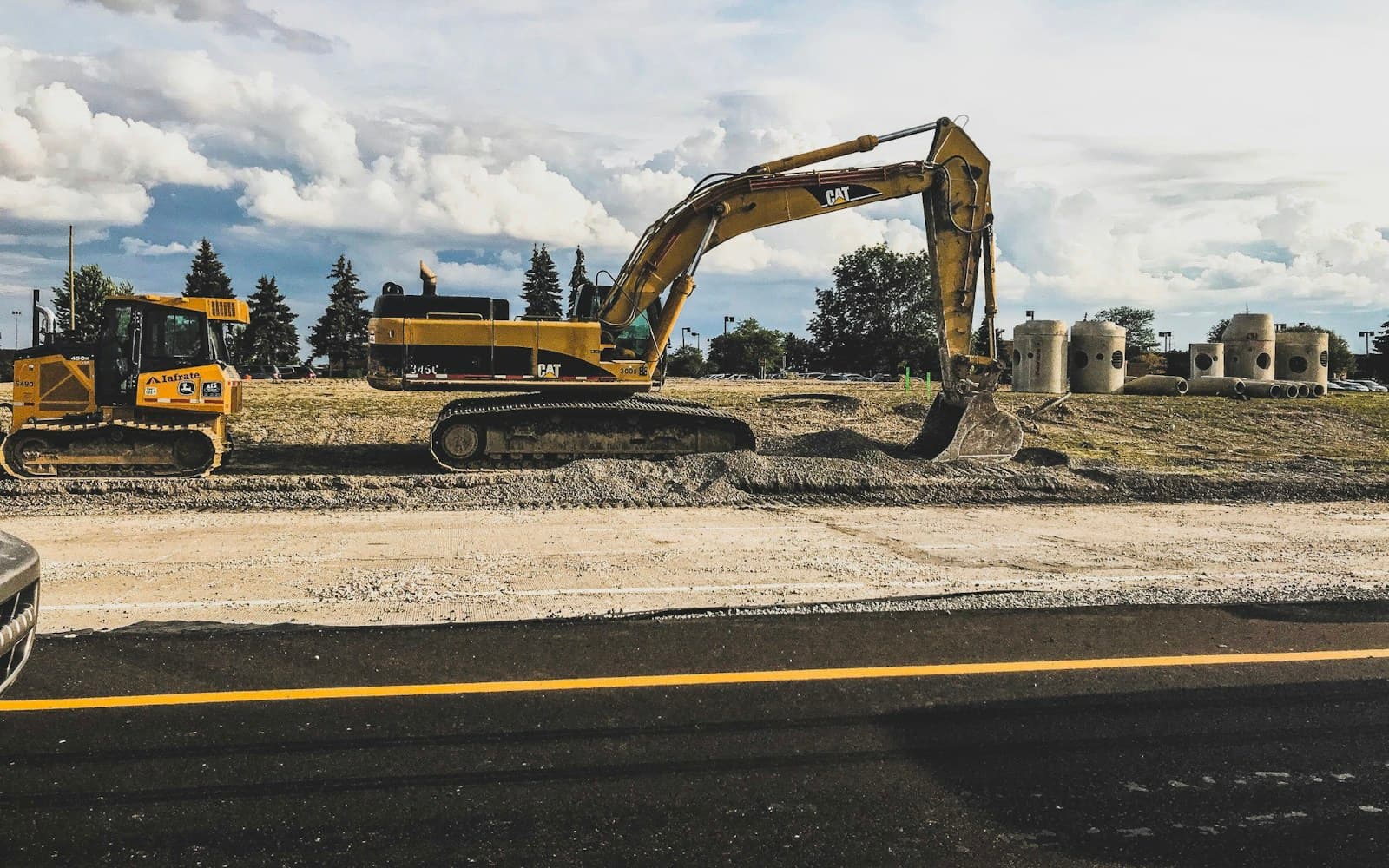
Excavators are sold and hired by operating weight, from 1-tonne micro machines to 40-tonne-plus production excavators. The weight class tells you roughly how deep the machine digs, how much each bucket moves, how it gets to site and what ground it can work on. Getting the size right is the biggest single factor in how long the job takes and what it costs.
This guide walks through the size classes, the four questions that decide which one you need, and what is different about digging in Abu Dhabi.
Excavator Size Classes at a Glance
| Class | Operating weight | Typical dig depth | Typical bucket | Typical jobs |
|---|---|---|---|---|
| Micro / mini | 1 to 3 tonnes | About 1.5 to 2.8 m | Up to about 0.1 m³ | Service trenches, landscaping, inside compounds |
| Mini | 3 to 6 tonnes | About 2.8 to 3.8 m | About 0.1 to 0.2 m³ | Longer trenches, small foundations, drainage |
| Midi | 6 to 12 tonnes | About 3.5 to 4.5 m | About 0.2 to 0.4 m³ | Utilities in roads, medium foundations |
| Standard | 13 to 25 tonnes | About 5.5 to 6.7 m | About 0.5 to 1.2 m³ | Basements, bulk digs, loading trucks |
| Large | 25 to 40 tonnes | About 6.5 to 7.5 m | About 1.2 to 2 m³ | High-volume earthworks, quarry and demolition support |
These are typical figures for each class. Boom and arm options, bucket choice and the manufacturer all change them, so check the exact machine before you book.
1. Start With Depth and Reach
Every excavator has a maximum dig depth, but working at the limit is slow, and the machine has to sit right at the trench edge to do it. As a rule of thumb, choose a machine whose maximum dig depth is comfortably more than your deepest cut, not just equal to it.
Reach matters too. If spoil has to be cast to the far side of a trench, or the machine needs to dig from a fixed position behind a wall, the horizontal reach at ground level decides whether the job can be done without moving the machine every few minutes.
2. Then Check Access and Space
On a lot of Abu Dhabi jobs, space rules out a size class before depth is even considered:
- Gate and path width. A mini excavator is around 1 to 2 metres wide. A 20-tonne machine on its tracks is closer to 3 metres, and arrives on a lowbed that needs its own room to unload.
- Tail swing. A conventional excavator's counterweight swings out past its tracks when it turns. Zero-tail-swing and reduced-tail-swing models keep the counterweight inside or close to the track width, which matters next to walls, fences and live traffic.
- Overhead. Power lines, canopies and building overhangs limit how high the boom can go.
- Finished surfaces. Steel tracks mark interlock and asphalt. Rubber-tracked mini excavators are kinder to finished ground.
3. Volume Decides the Economics
A standard 20-tonne excavator moves several times more material per bucket than a mini machine, and cycles almost as fast. On a basement or a long bulk dig, that difference dwarfs the extra cost of the bigger machine and its lowbed delivery. The cheapest machine per day is often the most expensive per cubic metre.
The reverse is true on small jobs. If the dig is a few service trenches inside a villa plot, a 20-tonne excavator spends most of its day repositioning, needs a lowbed both ways, and may damage the surfaces around it. A mini excavator finishes in a similar time at a fraction of the mobilisation cost.
A quick check: estimate the volume to be dug in cubic metres, then ask your supplier how many days each size class would take. Multiply by the daily rate and add delivery and collection. The answer is usually clear.
4. Ground Conditions in Abu Dhabi
Ground changes fast across the emirate, and it affects the machine as much as the dig.
Coastal sabkha. Around Mussafah, the islands and much of the coastal strip, the ground is often a salt-crusted silt and sand that turns soft and wet a short way down, with groundwater close to the surface. Trench walls can slump, and heavy machines can sink. Wider tracks, a working platform of imported fill, or a smaller machine working from firm ground may be needed.
Dense sand and gravel. Inland and on raised plots, ground is often firmer and a standard excavator digs well. Loose dune sand can still slump in deep trenches, so shoring or battered sides apply.
Rock and cemented layers. Some sites hit cemented sand or rock within a metre or two. A heavier machine with a rock bucket digs it more easily, and harder layers need a hydraulic breaker. A soil report or trial pit before hire saves the wrong machine arriving.
Whatever the ground, any excavation near existing utilities needs the service drawings and the permits required by the utility owner or your client before digging starts.
Transport Is Part of the Size Decision
Machines up to about 5 tonnes travel on a flatbed or small trailer and can usually be on an Abu Dhabi site the same day. From around 13 tonnes upward, the excavator travels on a lowbed trailer as a heavy vehicle, which means the delivery is timed around Abu Dhabi's restricted hours for heavy vehicles on city roads, and the site needs room for the trailer to pull in and unload.
The largest machines, or a machine travelling with extra equipment, may fall into the oversized-load category. Our guides on preparing a site for a lowbed delivery and oversized-load permits in the UAE cover both.
Excavator or Something Else?
Not every dig needs an excavator. A backhoe loader digs to around 4 to 6 metres and can also load and backfill, which makes it a good all-rounder for small mixed jobs. A skid-steer loader does not dig trenches but handles levelling and loading in tight spaces. Our comparison of backhoe loaders and skid steers explains where each fits.
A Quick Way to Choose
- Write down the deepest cut, the total volume and the narrowest access point.
- Rule out any class that cannot reach the depth with margin or cannot get through the access.
- Of what is left, pick the largest machine that can work without constant repositioning.
- Check the ground: soft sabkha or rock can push you up or down a class.
- Add transport: the jump from flatbed to lowbed is a real cost and a scheduling factor.
Maxtgc rents excavators from 1.5-tonne mini machines to 30-tonne-plus crawler excavators across Abu Dhabi, with certified operators and same-day dispatch from Mussafah for most sites. See our excavator rental page and the full earthmoving range, or request a quote with your depth, volume and site location.
Get a Free Quote
Your details open in WhatsApp, ready to send.