Moving Heavy Equipment From Abu Dhabi to Dubai: A Guide
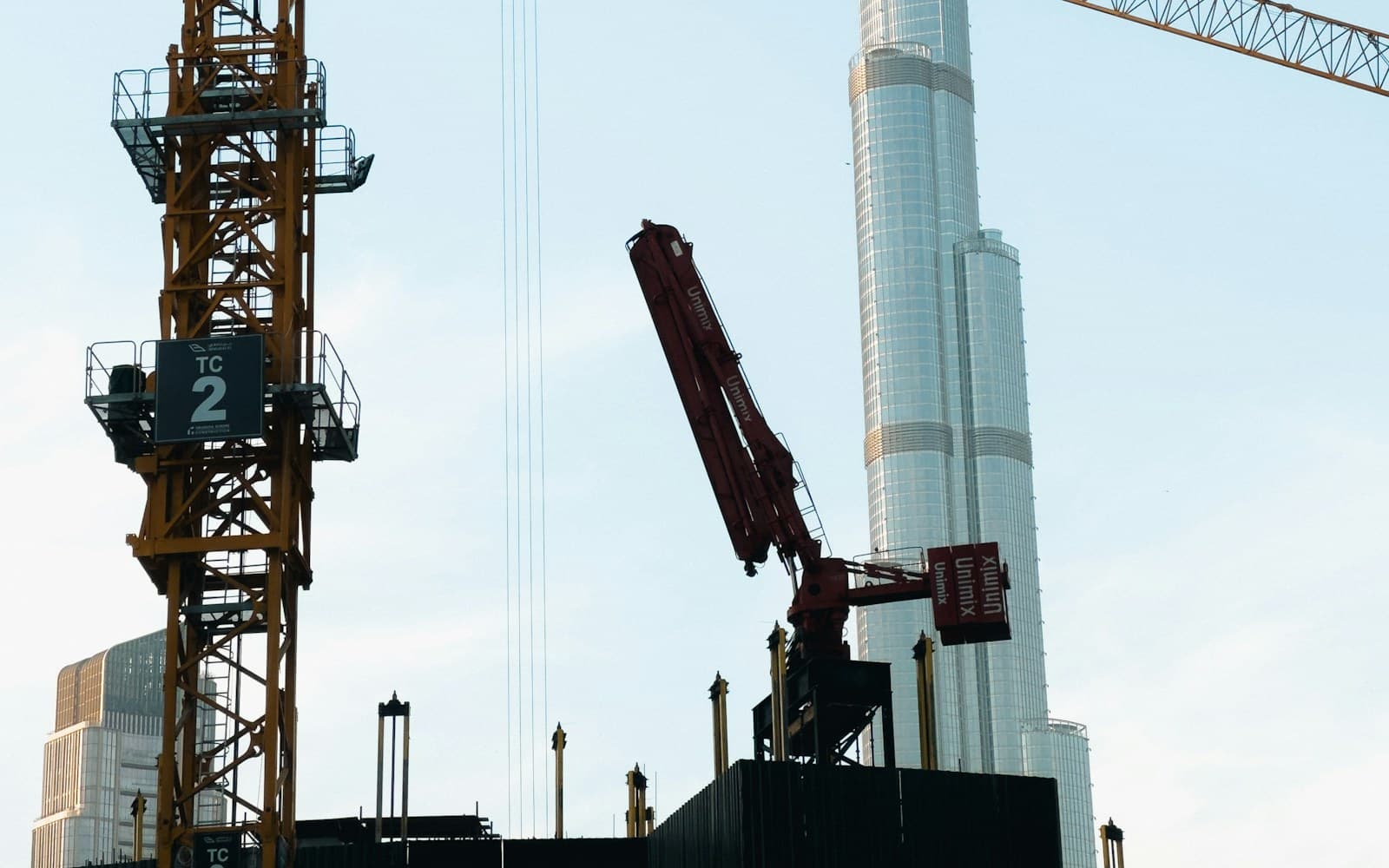
A lot of equipment used on Dubai sites is supplied from Abu Dhabi, and the journey between the two is routine. What catches contractors out is timing. Dubai restricts when trucks can use its main roads, the rules were tightened from 1 October 2026, and a load that crosses an emirate boundary is dealing with two sets of authorities. This guide explains how to plan a delivery so the machine is on site when the crew is.
Dubai's Truck Movement Restrictions
Equipment travels on trucks and trailers, so truck restrictions decide when it can arrive. Under changes announced by Dubai's Roads and Transport Authority (RTA) and Dubai Police, effective 1 October 2026:
- Sheikh Zayed Road is restricted to trucks from 6 am to 10 pm daily, along with some other roads and residential areas.
- Several urban roads have restrictions during the morning, midday and evening peak periods.
- Some roads are restricted around the clock.
Companies that need to move during restricted periods can apply to RTA for a permit. The detail varies by road and is updated from time to time, so check the current rules with RTA before fixing a delivery time.
What this means in practice:
- A site off Sheikh Zayed Road cannot take a daytime delivery by the most direct route. The truck either uses permitted routes or delivers at night.
- A "first thing in the morning" delivery often has to arrive before the morning peak window, or the previous evening.
- The earlier you share the exact site location, the easier it is to choose a route that works.
The Abu Dhabi End of the Journey
The trip starts with Abu Dhabi's own rules. Abu Dhabi restricts heavy vehicles on Abu Dhabi city roads during morning and afternoon peak hours from Monday to Thursday, with different hours on Fridays. A truck leaving at the wrong time can lose hours before it reaches the highway. Current timings are published by Abu Dhabi Mobility.
A realistic plan allows for both sets of windows, which is why delivery times for Dubai are agreed in advance and not left as "sometime tomorrow morning".
Oversized Loads Need Approval in Both Emirates
Standard equipment on a normal trailer travels without special approval. Larger cranes, excavators on lowbeds and other loads that exceed standard dimensions or weights need route approval, and each emirate handles this through its own authority. An approval for the Abu Dhabi stretch does not cover the Dubai stretch.
For these moves:
- Finalise the load's dimensions and weight before applying. A change afterwards can invalidate the approval.
- Give the exact delivery address, because the route is surveyed to the destination.
- Allow extra lead time for a cross-emirate move.
Our guide to oversized-load permits in the UAE covers the process in more detail.
Site Access in Dubai
Getting to the site is half the job. Getting into it is the other half.
- Free zones and industrial areas such as JAFZA and DIP have gate procedures for vehicles and drivers. Tell your supplier what your facility needs.
- Dense urban sites often have a single access point, set delivery slots and no space for a trailer to wait.
- Towers and podiums may have loading bays with height limits that rule out some machines. Compact tracked spider lifts exist for exactly this reason: they pass through openings a wheeled boom lift cannot.
Our checklist for preparing a site for a lowbed delivery lists what to confirm before the truck leaves.
Realistic Lead Times From Abu Dhabi
As a guide:
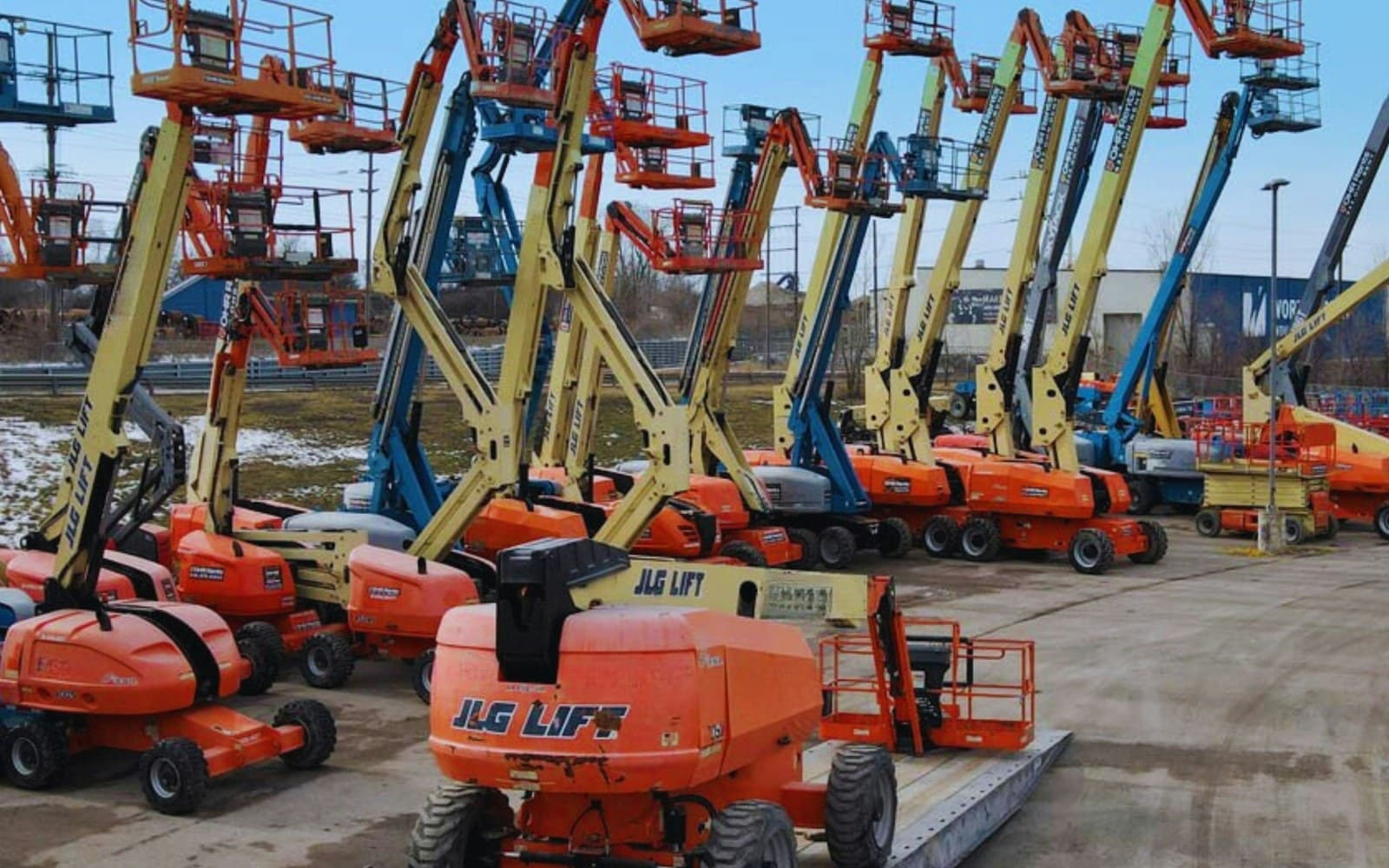
- Scissor lifts and boom lifts: typically 3 to 5 hours from a confirmed booking
- Forklifts and telehandlers: within 24 hours as standard
- Spider lifts: scheduled, usually 24 to 48 hours
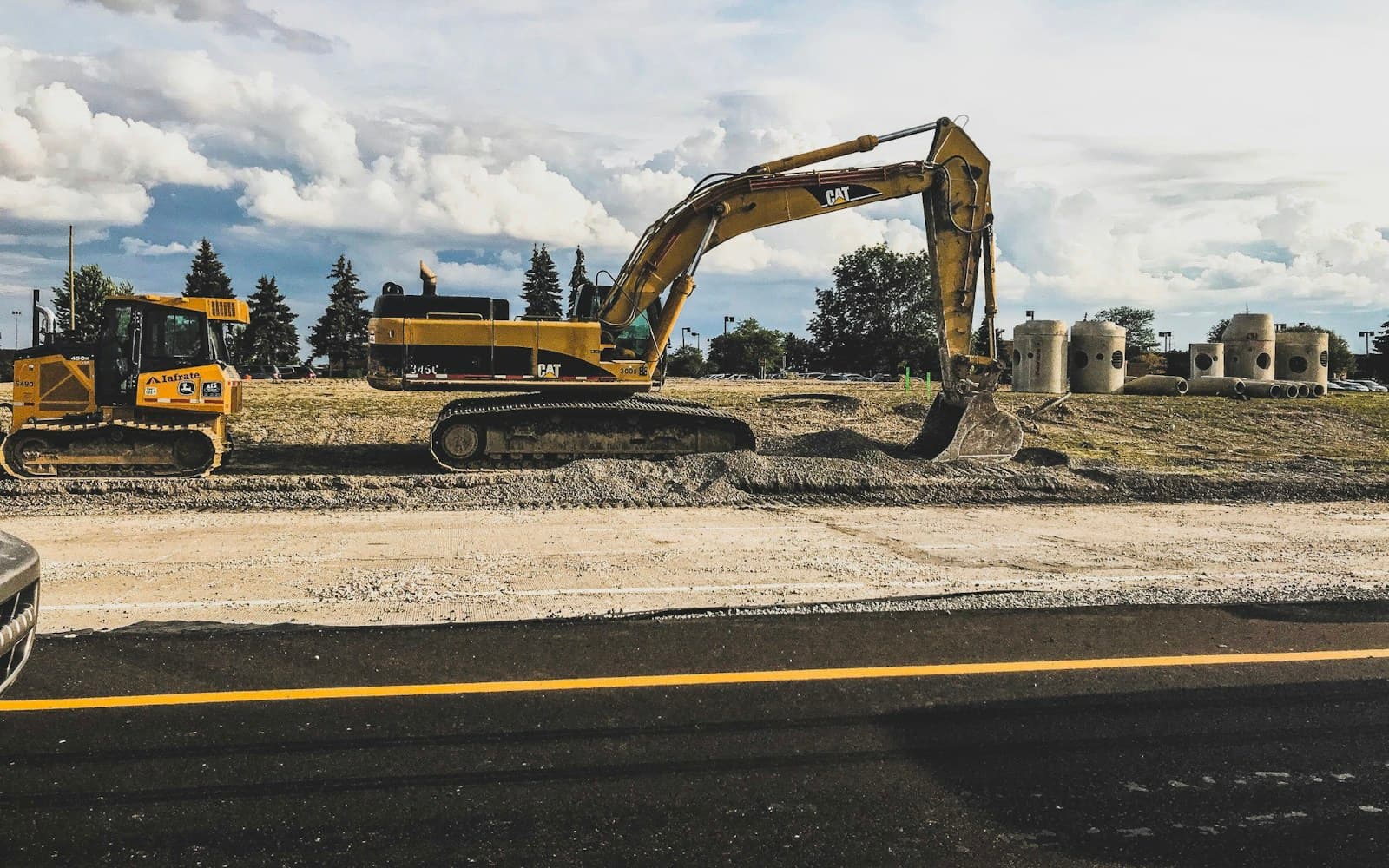
- Mobile cranes and lowbed loads: scheduled around the route and any permit
If your programme depends on a specific start time, say so when you book. It is much easier to plan a night-before delivery than to recover a morning lost to a restricted window.
A Short Checklist Before You Book
- Exact site address and the gate or entrance to use
- Site delivery hours and any slot booking system
- Height and width limits at the entrance or loading bay
- Whether the load is standard or oversized
- The date and time the equipment must be ready to work
Equipment Delivery to Dubai With Maxtgc
Maxtgc delivers access equipment, forklifts, cranes and earthmoving plant from Abu Dhabi to sites across Dubai, planning the cross-emirate journey into every booking, with dispatch running 24/7. See our Dubai coverage, the heavy transport and access equipment pages, or request a quote with your site details.
Get a Free Quote
Your details open in WhatsApp, ready to send.